
Gallery
Life inside the beds.
Every photograph here was shot on-site at Growize farms near Bangalore. No stock photography, no renders — just mist, leaves and light, on ordinary working days.
Shot on-site, on ordinary working days.
Growize farms near Bangalore. No stock photography — just mist, leaves and light.
Farm 01 · Attibele
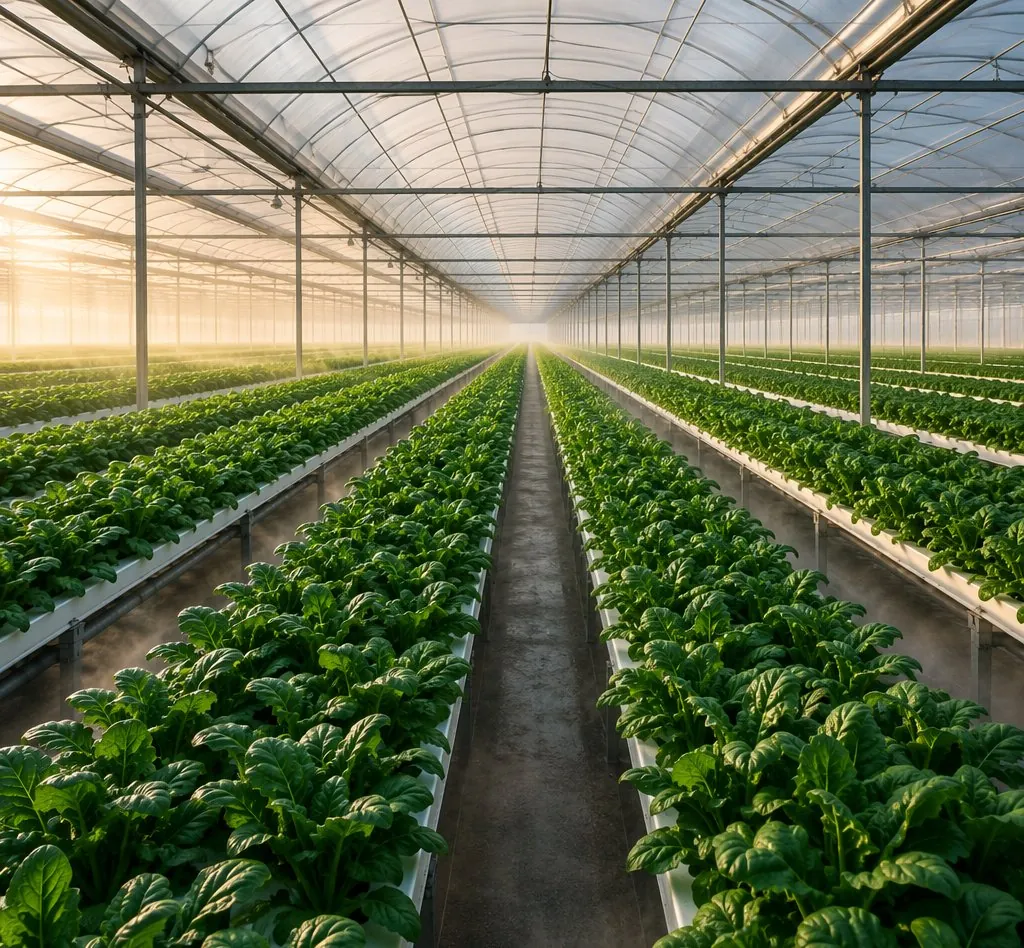
The aisle that never sleeps

Oakleaf Lettuce
Morning dew, zero pesticides
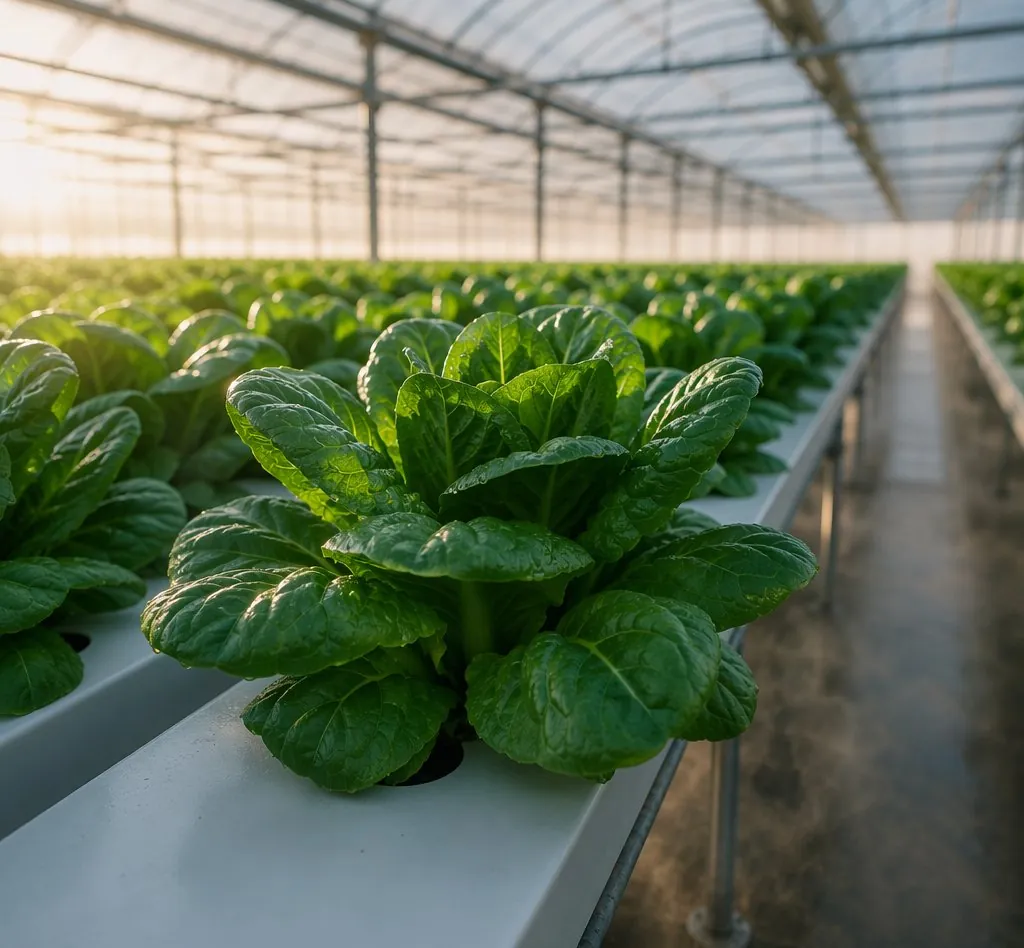
Crop Cycle 14
Harvest day, every other day
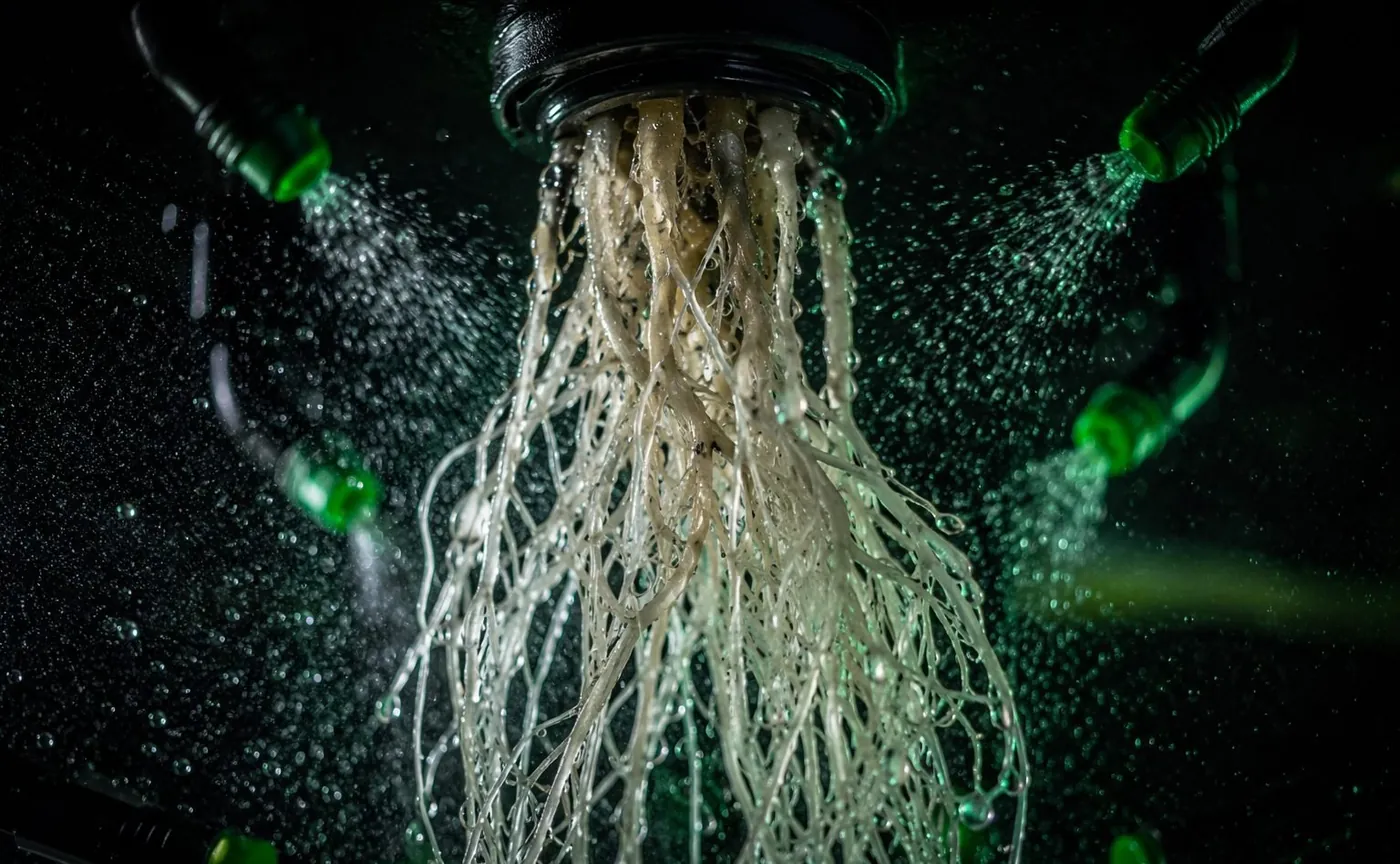
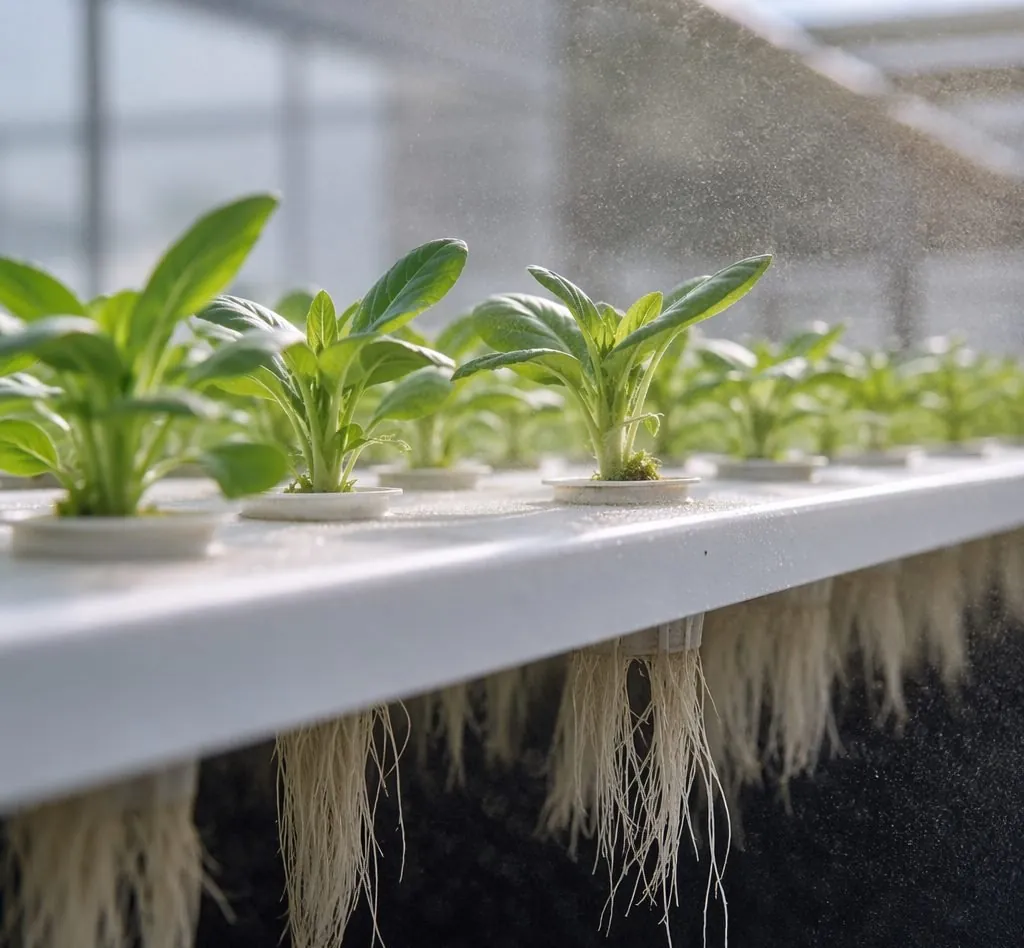
Aeroponic Chamber
Roots, drinking mist
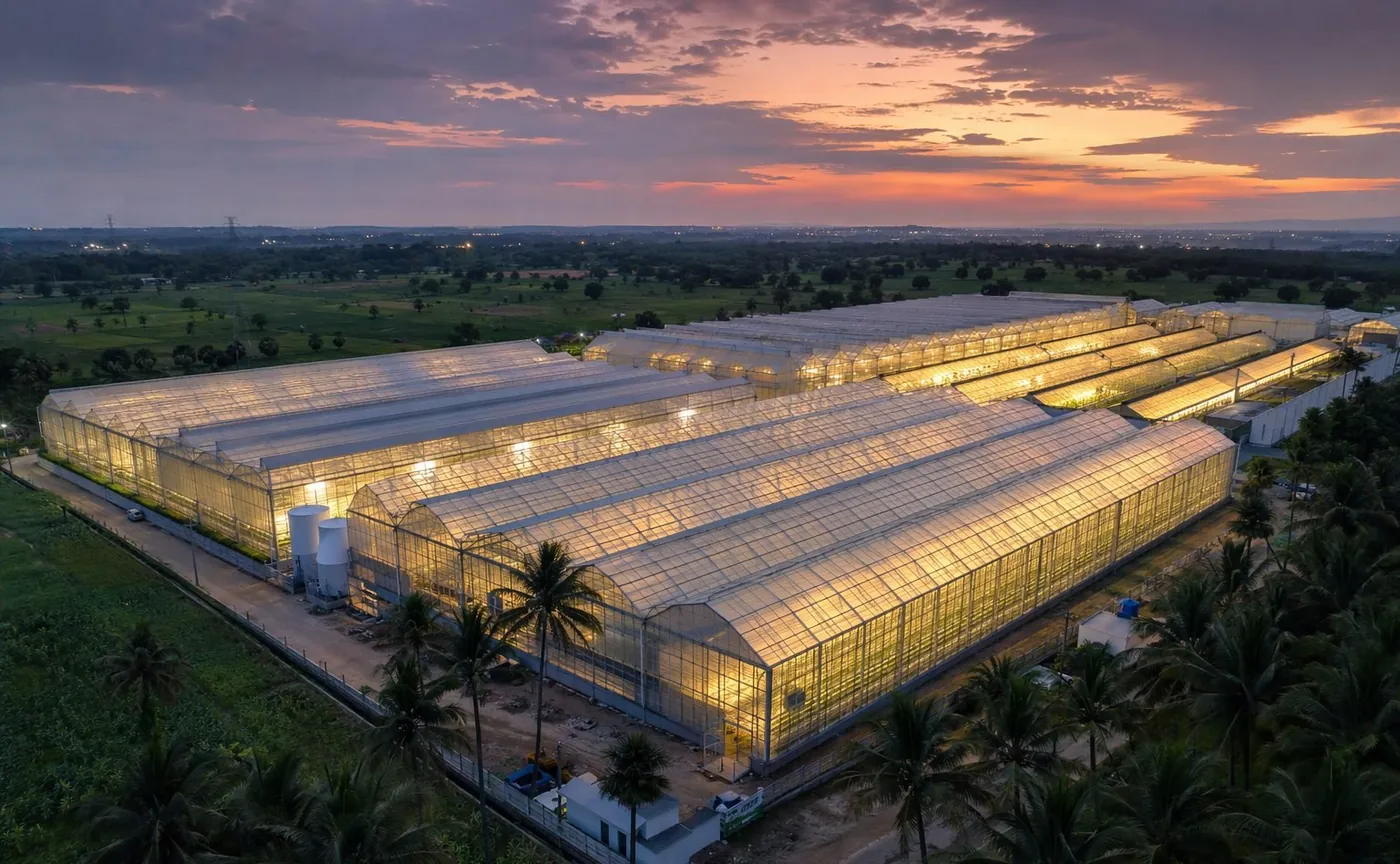
Aerial View
Home base, near Bangalore
Nursery Board
Two weeks from seed
What you are looking at.
An aeroponic farm does not look much like a farm the first time you see one. Here is a short guide to what appears in these photographs, and why it matters.
The polyhouse aisles
Rows of flat-bed grow channels under a controlled canopy. Plants sit in inert collars with roots hanging free below; nothing here has touched soil. Aisles stay walkable year-round because temperature and humidity are held steady rather than left to the season.
The misting chambers
Below every bed, nozzles release a nutrient mist on a timed cycle. Roots absorb what they need and the rest is captured and recirculated — which is where the 95% water saving comes from. The white root mass in these photographs is what healthy aeroponic growth looks like.
Nursery to harvest
Seedlings start on propagation boards and move into the beds after germination. From there, most leafy crops reach harvest in two to three weeks, which is why the calendar runs roughly twelve cycles a year instead of two or three.
Packing and dispatch
Harvest crates move straight to packing and out to retail partners the same day. Produce that never met soil needs no chemical wash — it is graded, packed and dispatched while it is still cold from the morning.
See it in person.
Photographs only go so far. Site visits run Tuesday to Sunday, and most people leave with soil-free hands and a full camera roll.